Last updated: June 19, 2026
How to build a disaster kit: What Experts Recommend for Preparedness
Building a disaster kit is essential for ensuring you and your family are prepared for emergencies. This guide will help you create a comprehensive kit that meets your needs, covering various types of disasters. Remember, having a kit can save lives, but it is also vital to regularly update and maintain it.
Disclosure: As an Amazon Associate I earn from qualifying purchases.

Safety Note: Always consider the specific risks in your area, such as earthquakes, floods, or wildfires, and tailor your kit accordingly.
What You’ll Need
Before starting, gather the following items to create your disaster kit:
- Water: At least one gallon per person per day for three days for drinking and sanitation.
- Food: Non-perishable items, such as energy bars and canned goods, to last at least three days.
- First Aid Kit: A complete kit with essential medical supplies to treat minor injuries.
- Flashlight: A reliable light source with extra batteries for visibility during power outages.
- Multi-tool or Swiss Army knife: Versatile tools for various tasks, from opening cans to making repairs.
- Whistle: To signal for help if you are trapped or in need of assistance.
- Dust mask: To help filter contaminated air and protect against dust and debris.
- Personal hygiene items: Include items like moist towelettes, garbage bags, and hand sanitizer.
- Emergency blanket: Lightweight and compact, these provide warmth and can be lifesaving in cold conditions.
- Local maps: In case of evacuations, having physical maps can assist in navigation when technology fails.
Step-by-Step
- Assess your needs: Consider the number of people in your household and any special requirements, such as medications or dietary restrictions.
- Choose a suitable container: Select a sturdy, waterproof bag or box to store your supplies. Ensure it is easy to carry in case of evacuation.
- Gather water: Store at least one gallon of water per person per day for at least three days, ensuring you have enough for drinking and hygiene.
- Collect food: Pack non-perishable food items that do not require cooking, such as canned goods or energy bars, to sustain you for at least three days.
- Assemble a first aid kit: Include bandages, antiseptic wipes, pain relievers, and any personal medications you may need.
- Include essential gear: Add items like a flashlight, batteries, a multi-tool, and a whistle for emergencies.
- Prepare personal items: Don’t forget hygiene products, an emergency blanket, and local maps to enhance your preparedness.
- Review and update: Regularly check your kit to replace expired items, adjust for changing needs, and ensure everything is in working order.
Pro Tips for Better Results
Customize your kit based on your location and family needs. Regularly practice emergency drills with your family to ensure everyone knows how to use the items in the kit. Store your kit in an easily accessible location, and consider having smaller kits in your car or workplace for additional preparedness.
Common Mistakes
One common mistake is neglecting to update the kit regularly, leading to expired food or medications. Another error is failing to consider the specific risks in your area, such as not including supplies for a wildfire if you live in a fire-prone zone. Lastly, not involving all family members in the planning process can lead to confusion during an emergency.

Troubleshooting
If you find your kit is missing essential items during an emergency, take note of what is lacking and update your kit as soon as possible. If your food or water supply is compromised, look for a safe alternative nearby, such as local shelters or community resources.
What to Expect
- 12 DISASTERS, ONE POCKET-SIZED DECK — Covers wildfire, earthquake, hurri…
- KNOW EXACTLY WHAT TO DO — When a wildfire, earthquake, or hurricane hits…
- READY WHEREVER LIFE TAKES YOU — Lightweight and waterproof — built for r…
Maintenance / Next-Time Checklist
Check your kit every six months to replace expired food, medications, and batteries. Review your family’s needs regularly, especially if there are changes in household members or health requirements. Keep your kit clean and organized, ensuring that all items are easily accessible.
Recommended Products & Tools
Consider products like the “Let’s Build Your Survival Kit” book, which provides detailed guidance on creating a tailored kit. The “Disaster Guide for Emergency Preparedness Kit” offers quick reference cards for various emergencies, helping you act swiftly. An “Emergency Survival Kit” can serve as a solid foundation, containing many of the essentials you need in one package.
FAQ
What should I include for children in my disaster kit? Include comfort items like toys or blankets, along with appropriate food and medications specifically for children.
How often should I check my disaster kit? It’s recommended to check your kit every six months to ensure all items are current and in good condition.
Where is the best place to store my disaster kit? Store your kit in an easily accessible location, such as a closet near your front door or in your vehicle.
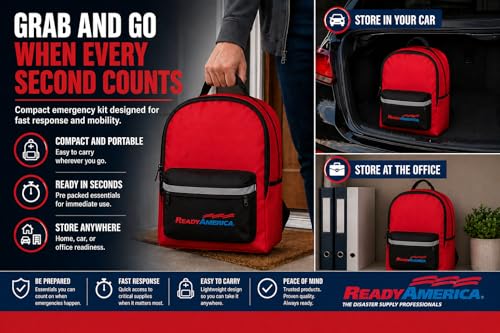
How can I make my kit mobile? Use a durable, lightweight backpack for easy transport, and consider a smaller kit for your car or workplace.
Should I include cash in my kit? Yes, having cash on hand can be beneficial in emergencies when electronic payment systems may not work.
What Most Buyers Overlook
- Most mistakes come from rushing prep work or skipping the last verification step.
- A simple tool or accessory can save time and reduce repeat work.
Wrap-Up
Creating a disaster kit is a proactive step towards ensuring your family’s safety during emergencies. By following these steps and regularly maintaining your kit, you can enhance your preparedness and confidence in facing unexpected situations. Remember, being well-prepared can make all the difference when disaster strikes.
Helpful Tools & Picks
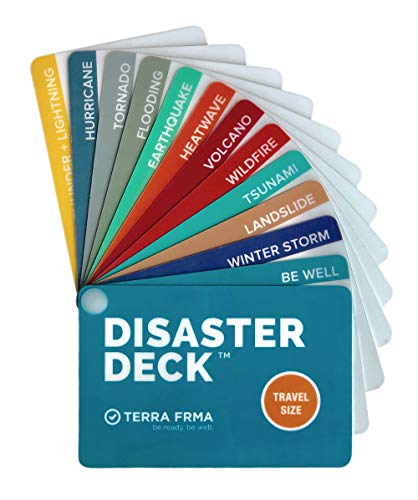
- KNOW EXACTLY WHAT TO DO — When a wildfire, earthquake, or hurricane hits, the brain free…
- 12 DISASTERS, ONE POCKET-SIZED DECK — Covers wildfire, earthquake, hurricane, flooding, …
- READY WHEREVER LIFE TAKES YOU — Lightweight and waterproof — built for real conditions, …