Last updated: July 1, 2026
How to pack a bug out bag: Tips from seasoned preppers
In this guide, you will learn how to effectively pack a bug out bag, ensuring you are prepared for emergencies or disasters. A well-packed bug out bag can be a lifesaver, providing essential supplies to sustain you in uncertain situations. Always prioritize safety and regularly review your bag to adapt to changing needs.
Disclosure: As an Amazon Associate I earn from qualifying purchases.

What You’ll Need
Before you start packing, gather the following essential items:
- Durable backpack: Look for one that is water-resistant and has multiple compartments for organization.
- First aid kit: Ensure it includes basic medical supplies such as bandages, antiseptics, and pain relievers.
- Multi-tool: A versatile tool with various functions can be invaluable in unexpected situations.
- Water filter or purification tablets: Access to clean water is critical; these tools help ensure safe drinking water.
- Non-perishable food items: Choose lightweight, high-energy foods like energy bars or dehydrated meals.
- Flashlight with extra batteries: A reliable light source is essential for visibility in low-light conditions.
- Emergency blanket: Compact and heat-retaining, these blankets are crucial for warmth and protection.
- Map and compass: Essential for navigation, especially if electronic devices fail.
- Fire-starting kit: Includes waterproof matches or a lighter to easily start a fire for warmth or cooking.
- Whistle: Useful for signaling for help without exhausting your voice.
Step-by-Step
- Choose the right bag: Select a durable, comfortable backpack that can carry your essentials without being overly heavy.
- Pack your first aid kit: Place it in an easily accessible compartment for quick access during emergencies.
- Add food and water supplies: Pack lightweight, high-energy food items and include your water filter or purification tablets in a dedicated pocket.
- Include shelter and warmth items: Add the emergency blanket and any additional shelter materials, like a tarp, in a separate section of the bag.
- Organize tools and navigation aids: Store the multi-tool, flashlight, map, and compass in a designated compartment for convenience.
- Pack fire-starting supplies: Keep your fire-starting kit at the top of the bag for easy access when needed.
- Include signaling devices: Place the whistle in an outer pocket or on a strap for quick retrieval.
- Review and adjust the load: Ensure the bag is balanced and not overly heavy; you should be able to carry it comfortably.
Pro Tips for Better Results
Consider personalizing your bug out bag based on your specific needs, such as including items for children or pets. Regularly check the contents of your bag to ensure that food and medical supplies have not expired. Practice carrying your bug out bag to ensure you are comfortable with its weight and organization.
Common Mistakes
A common mistake is overpacking, which can make your bag too heavy to carry efficiently. Another mistake is neglecting to include essential items like a map and compass, relying solely on electronic devices. Failing to periodically review and update your supplies can also lead to outdated or ineffective gear.

Troubleshooting
If your bag feels unbalanced, adjust the placement of heavier items closer to your back for better weight distribution. If you find that you cannot fit all necessary items, consider using smaller packaging for food or combining items to save space. If items are not easily accessible, reorganize the compartments for better efficiency.
What to Expect
- Easy everyday use.
- Helpful core features.
- Check fit or sizing first.
- Expect some trade-offs by use case.
Maintenance / Next-Time Checklist
After each use, inspect your bug out bag for any damaged items and replace them as needed. Check expiration dates on food and medical supplies regularly, ideally every six months. Keep a list of items in your bag and note any changes you wish to make for future packing sessions.
Recommended Products & Tools
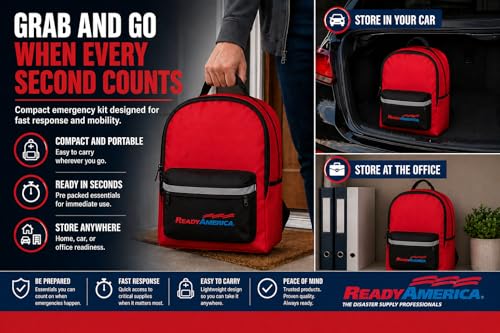
Consider a high-quality survival kit that includes many essential items in one package, saving you time on gathering supplies. A reliable go bag specifically designed for bug out scenarios can enhance organization and ease of access. A comprehensive guide to packing a survival pack can provide valuable insights on optimizing your bag’s contents.
FAQ
How often should I review my bug out bag? Review your bug out bag at least every six months to ensure supplies are current and effective.
What should I prioritize when packing? Prioritize items that ensure your basic survival needs: water, food, shelter, and medical supplies.
Can I include personal items in my bug out bag? Yes, but ensure that personal items do not compromise the bag’s primary purpose of survival preparedness.
How can I ensure my bag is not too heavy? Regularly test your bag’s weight and adjust the contents, focusing on lightweight, high-energy items.
What if I need to pack for multiple people? Customize each bag according to individual needs but consider sharing some supplies to minimize weight.
What Most Buyers Overlook
- Most mistakes come from rushing prep work or skipping the last verification step.
- A simple tool or accessory can save time and reduce repeat work.
Wrap-Up
Effectively packing a bug out bag is essential for preparedness in emergencies. By following these steps and regularly maintaining your bag, you can ensure that you are ready for any situation. Remember to personalize your bag based on your unique needs and practice using it to build confidence in your preparedness.
Helpful Tools & Picks