Last updated: May 23, 2026
How to build a home emergency kit: Tips for every household’s safety
Building a home emergency kit is essential for ensuring your family’s safety during unforeseen situations. This guide will help you create a comprehensive kit that meets your household’s specific needs, enabling you to respond effectively in times of crisis. Remember to periodically review and update your kit to ensure all items remain usable and relevant.
Disclosure: As an Amazon Associate I earn from qualifying purchases.

What You’ll Need
Gathering the right items is crucial for a well-equipped emergency kit. Here’s what you should include: To enhance the effectiveness of your emergency kit, consider these tips:
Water: At least one gallon per person per day for three days, essential for hydration during emergencies.
Non-perishable food: Enough for three days, providing necessary energy and nutrition when cooking may not be possible.
First aid kit: A comprehensive kit containing essential medical supplies to handle minor injuries.
Flashlight: A reliable light source for navigating in the dark or during power outages.
Multi-tool or knife: Useful for various tasks, from opening cans to making repairs.
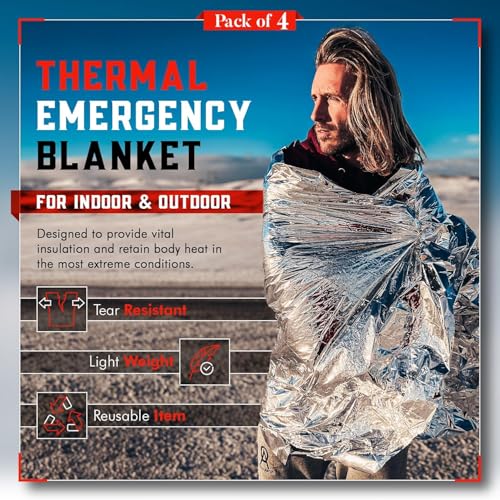
Emergency blanket: Compact and lightweight, it helps retain body heat in cold situations.
Whistle: For signaling for help if you find yourself in distress.
Dust mask: Protects against inhaling harmful dust or debris during disasters.
Cell phone charger: A portable charger ensures communication devices remain powered.
Important documents: Copies of personal documents stored in a waterproof container for easy access during emergencies.
Step-by-Step
- Assess your needs: Determine how many people need to be covered and any specific requirements, like medications or dietary restrictions.
- Gather supplies: Collect all the items listed above, ensuring they meet quality and safety standards.
- Pack your kit: Use a durable, waterproof backpack or container to store your supplies, organizing them for easy access.
- Label everything: Clearly label items and compartments to find what you need quickly during an emergency.
- Store in a safe location: Choose a place that is easily accessible and known to all family members, such as a closet near the front door.
- Review regularly: Check the kit every six months to replace expired items and reassess your family’s needs.
- Practice your plan: Conduct drills with your family to ensure everyone knows how to use the kit and what to do in an emergency.
- Stay informed: Keep up with local news and alerts that may affect your area, adjusting your kit as necessary.
Pro Tips for Better Results
- Include a manual for first aid and emergency procedures to refresh skills during a crisis.
- Customize your kit according to the types of emergencies most likely to occur in your area.
- Consider adding comfort items, such as snacks or games, to help alleviate stress during emergencies.
Common Mistakes
Avoid these frequent pitfalls when building your emergency kit:

- Neglecting to account for pets; include supplies for their care as well.
- Overpacking unnecessary items that could weigh down your kit.
- Failing to involve all family members in the planning process, leading to confusion during an emergency.
Troubleshooting
If you encounter issues with your emergency kit, consider the following:
- If items are missing, create a checklist to ensure nothing is overlooked during assembly.
- If the kit is too heavy, reassess the contents and remove non-essential items.
- If items are expired, set a reminder to review your kit regularly to maintain its effectiveness.
What to Expect
- 72 HOUR EMERGENCY KIT WITH FOOD AND WATER: Includes a 2400 calorie emerg…
- COMPLETE SURVIVAL GEAR WITH SHELTER AND PROTECTION: Equipped with an eme…
- Check fit or sizing first.
- Expect some trade-offs by use case.
Maintenance / Next-Time Checklist
To keep your emergency kit in top shape, follow this checklist:
- Check expiration dates on food and medical supplies.
- Replace batteries in flashlights and other devices.
- Update documents and contact information as needed.
- Rotate out seasonal items, like blankets or clothing, based on the time of year.
Recommended Products & Tools
Here are some products to consider for your emergency kit:
The 72-Hour Survival Plan: This guide offers comprehensive strategies for building an effective emergency kit and preparing your household.
Ready America 70180 72 Hour Emergency Kit: This one-person kit includes essential food, water, and first aid supplies, ideal for quick evacuation.
Emergency Survival Kit: The Complete Step-by-Step Guide: A practical resource for organizing and mastering your emergency preparedness system.
FAQ
How often should I update my emergency kit? Review your kit every six months to replace expired items and adjust for changing family needs.
What should I do if I have a baby? Include baby supplies like formula, diapers, and any necessary medications in your kit.
Can I use my emergency kit for camping? Yes, many items in your emergency kit can also be useful for camping trips.
What if I have pets? Be sure to include food, water, and any medications needed for your pets in your emergency supplies.
What is the best way to store my kit? Keep it in a cool, dry place that is easily accessible to all family members.
What Most Buyers Overlook
- Most mistakes come from rushing prep work or skipping the last verification step.
- A simple tool or accessory can save time and reduce repeat work.
Wrap-Up
Creating a home emergency kit is a proactive step towards ensuring your family’s safety during unexpected events. By following this guide, you can prepare effectively and have peace of mind knowing you’re ready for emergencies. Regularly review and update your kit to adapt to your family’s changing needs, and practice your emergency plan to ensure everyone knows what to do when it matters most.
Helpful Tools & Picks