Last updated: August 1, 2026
How to build a survival first aid kit: What Experts Recommend
Building a survival first aid kit is an essential step towards being prepared for emergencies, whether at home, on a camping trip, or during outdoor adventures. This guide will provide you with the knowledge to assemble a comprehensive first aid kit that can address various injuries and situations. Remember, while this kit is invaluable, it’s also crucial to familiarize yourself with basic first aid procedures to effectively use the items in your kit.
Disclosure: As an Amazon Associate I earn from qualifying purchases.

- COMPLETE 100-PIECE EMERGENCY KIT: Stay prepared for cuts, scrapes, burns, sprains, and o…
- INCLUDES EMERGENCY BLANKET: Features key emergency preparedness items including a therma…
- WATERPROOF & DURABLE HARD CASE: Designed with a rugged waterproof case to help protect m…
What You’ll Need
Gathering the right supplies is crucial for an effective survival first aid kit. Here are some key items to include: To enhance your first aid kit's effectiveness, consider the following tips:
- First Aid Kit: A waterproof and durable hard case, like the Protect Life Travel First Aid Kit, keeps supplies organized and protected from the elements.
- Emergency Blanket: Essential for warmth and protection in outdoor emergencies, preventing hypothermia.
- Bandages and Gauze: Various sizes are necessary for treating cuts and scrapes effectively.
- Antiseptic Wipes: Important for cleaning wounds to prevent infection.
- Medical Gloves: Protects both the caregiver and the injured person during treatment.
- Scissors: Useful for cutting tape, bandages, or clothing away from an injury.
- Instruction Manual: A guide like the one included in many kits helps in recognizing and responding to injuries correctly.
- Portable Design: Kits like the Mini First Aid Kit ensure easy transport and accessibility during outdoor activities.
Step-by-Step
- Determine the Purpose: Decide whether your kit will be for home, travel, or outdoor use, as this will influence the contents.
- Choose a Container: Select a waterproof and durable case that is easy to carry, such as a hard-shell mini kit or a soft case with compartments.
- Gather Essential Supplies: Collect the items listed in the “What You’ll Need” section, ensuring you have a mix of bandages, antiseptics, and tools.
- Organize the Kit: Place items in your kit by category to allow for quick access during emergencies. Consider using small pouches for different types of supplies.
- Include a First Aid Guide: Ensure there’s a detailed instruction manual that outlines how to use each item effectively.
- Label Items: Consider labeling compartments or pouches to quickly identify contents during a crisis.
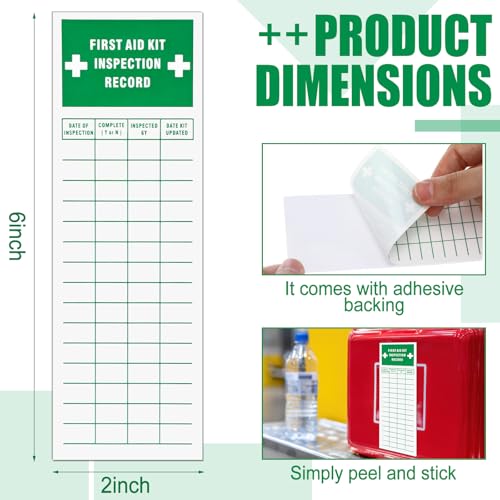
- Check Expiry Dates: Regularly inspect and replace any expired items to keep your kit up-to-date.
- Practice Using the Kit: Familiarize yourself with the contents and practice using the items to increase your confidence in an emergency.
Pro Tips for Better Results
- Customize Your Kit: Tailor the contents based on your specific needs or activities, such as adding insect bite relief for camping trips.
- Keep it Accessible: Store your kit in a location that is easy to reach during emergencies, such as your car or hiking backpack.
- Regularly Update: Make it a habit to check your kit every few months to replace used or expired items.
- Educate Yourself: Take a first aid course to improve your skills and confidence in handling emergencies.
Common Mistakes
Avoid these common pitfalls when building your first aid kit:

- Ignoring Expiry Dates: Failing to check and replace expired items can lead to ineffective treatments during emergencies.
- Overpacking: Including too many items can make your kit bulky and cumbersome; focus on essentials.
- Lack of Organization: A disorganized kit can delay critical response times during emergencies.
- Neglecting Personal Needs: Failing to consider personal health needs, such as allergies or chronic conditions, can leave you unprepared.
Troubleshooting
If you encounter issues with your first aid kit, consider these solutions:
- Missing Supplies: Regularly review your kit to ensure all essential items are present.
- Difficulty Accessing Items: Reorganize your kit to make frequently used items more accessible.
- Damaged Contents: Replace any broken or damaged items immediately to maintain readiness.
What to Expect
- COMPLETE 100-PIECE EMERGENCY KIT: Stay prepared for cuts, scrapes, burns…
- INCLUDES EMERGENCY BLANKET: Features key emergency preparedness items in…
- WATERPROOF & DURABLE HARD CASE: Designed with a rugged waterproof case t…
Maintenance / Next-Time Checklist
To keep your first aid kit in top condition, follow this checklist:
- Check contents every three months.
- Replace expired or used items.
- Ensure the case is clean and free of moisture.
- Review and update the instruction manual if necessary.
Recommended Products & Tools
Here are a few recommended products to consider for your survival first aid kit:
- Protect Life Travel First Aid Kit: This comprehensive kit includes a wide range of supplies and is designed for portability and durability.
- Mini First Aid Kit: Ideal for travel, this compact kit is lightweight and features organized compartments for easy access.
- First Aid Kit for Home Car Travel: This kit is versatile, offering a good selection of supplies for various situations.
- YIDERBO First Aid Kit: Its durable design ensures that your supplies stay protected, making it ideal for outdoor adventures.
FAQ
How often should I check my first aid kit?
It’s advisable to check your kit every three months to ensure all supplies are present and not expired. The best routine depends on the carafe design, how often you use it, and how carefully you handle the lid, seals, and inner lining.
Can I build my own first aid kit from scratch?
Yes, you can customize your kit according to your specific needs, but ensure you include all essential supplies. The best routine depends on the carafe design, how often you use it, and how carefully you handle the lid, seals, and inner lining.
Where should I store my first aid kit?
Store your kit in a cool, dry place that is easily accessible, such as a car trunk or camping gear. The best routine depends on the carafe design, how often you use it, and how carefully you handle the lid, seals, and inner lining.
What should I do if I use supplies from my kit?
Replace any used items as soon as possible to maintain readiness for future emergencies. The best routine depends on the carafe design, how often you use it, and how carefully you handle the lid, seals, and inner lining.
Is it necessary to have a first aid guide included?
Yes, a guide is crucial for those who may not be familiar with first aid procedures, ensuring effective responses. The best routine depends on the carafe design, how often you use it, and how carefully you handle the lid, seals, and inner lining.
Wrap-Up
Building a survival first aid kit is a proactive step towards ensuring your safety and preparedness in emergencies. By following the steps outlined in this guide, you can create a comprehensive kit tailored to your needs. Regular maintenance and updates will keep your kit ready for any situation, providing peace of mind whether at home or on your adventures.
Helpful Tools & Picks
- COMPLETE 100-PIECE EMERGENCY KIT: Stay prepared for cuts, scrapes, burns, sprains, and o…
- INCLUDES EMERGENCY BLANKET: Features key emergency preparedness items including a therma…
- WATERPROOF & DURABLE HARD CASE: Designed with a rugged waterproof case to help protect m…

- ESSENTIALS FOR EMERGENCY: Everything you need is in this first aid kit! Our kit includes…
- PORTABLE DESIGN: 6.4" x 4.9" x 2.7" compact size, 0.73 lbs lightweight, features a compa…
- SMART AREA CLASSIFICATION DESIGN: We've separated the whole emergency bag into small ind…