Last updated: May 26, 2026
How to store emergency water: Discover the best methods used by experts
Storing emergency water is essential for preparedness during disasters and emergencies. In this guide, you will learn the best methods to store water safely, ensuring you have access to clean drinking water when you need it most. Always remember that safety is paramount; ensure your storage containers are clean and suitable for long-term water storage.
Disclosure: As an Amazon Associate I earn from qualifying purchases.
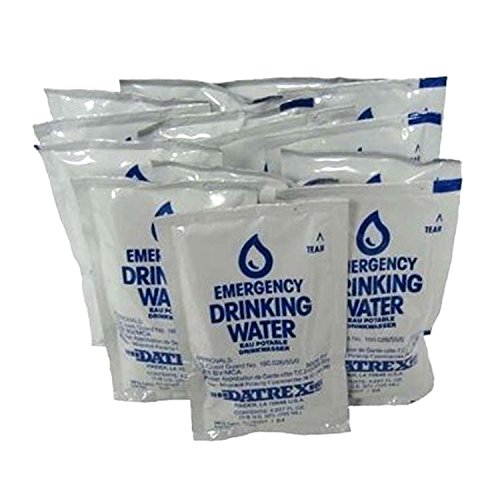
- Emergency purified water for immediate use; lightweight and extremely compact
- Loss potential minimized due to individual sachets and ideal for storage
- Easy to dispense from a pre-measured sachet; superior packaging materials for optimum du…
What You’ll Need
Gather the following items to effectively store emergency water:
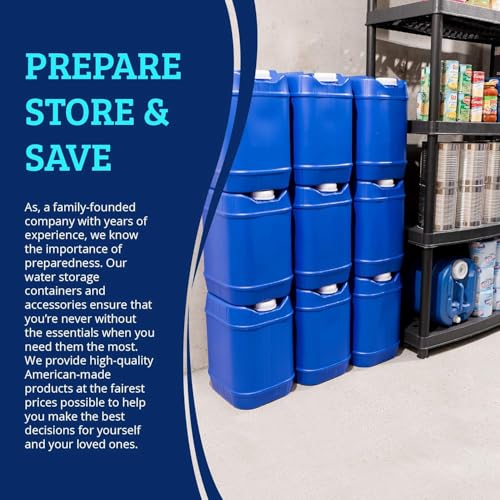
- Food-grade water storage containers: These are designed specifically to hold drinking water without leaching harmful chemicals.
- Water purification tablets: These help to ensure that any water you store is safe to drink by killing harmful pathogens.
- Datrex Emergency Water Packet: Lightweight and compact, these packets provide a ready-to-use water supply with a five-year shelf life.
- Mayday Pouch Water: Sealed in airtight pouches, these are ideal for emergency situations and have a long shelf life, making them convenient for storage.
- Labels: Use waterproof labels to mark the date of storage to keep track of freshness.
Step-by-Step
- Choose a suitable storage location, such as a cool, dark place that is not exposed to direct sunlight.
- Clean your water storage containers thoroughly with soap and hot water, then rinse them to remove any residue.
- If using tap water, fill the containers directly from the faucet. If using other water sources, purify it with water purification tablets before storage.
- For immediate use, consider filling Datrex Emergency Water Packets or Mayday Pouch Water, ensuring they are sealed tightly.
- Label each container with the date of storage and the source of the water to keep track of freshness.
- Store your containers upright to prevent leaks and ensure they are easily accessible in an emergency.
- Regularly check your water supply every six months to ensure it remains clean and replace any containers that show signs of wear or contamination.
- In case of emergencies, always keep a small supply of water purification tablets on hand for additional safety.
Pro Tips for Better Results
Rotate your water supply every six months to ensure it remains fresh. If you notice any unusual odors or cloudiness in your stored water, it’s best to discard it and refill the containers. Additionally, consider investing in a water filtration system for long-term preparedness.
Common Mistakes
A common mistake is using non-food-grade containers, which can leach harmful chemicals into the water. Another mistake is neglecting to label containers, leading to confusion about water freshness. Lastly, failing to store water in a cool, dark place can lead to algae growth and contamination.
Troubleshooting
If your water smells or tastes strange, it may be due to the container type or improper cleaning. Always use food-grade containers and ensure they are sanitized. If you find your water supply has become contaminated, discard it and refill with purified water.
What to Expect
- Emergency purified water for immediate use; lightweight and extremely co…
- Loss potential minimized due to individual sachets and ideal for storage
- Check fit or sizing first.
- Expect some trade-offs by use case.
Maintenance / Next-Time Checklist
Every six months, check your stored water for clarity and odor. Sanitize your containers before refilling, and ensure all seals are intact. Make a note to restock any water purification tablets and check the expiration date of pre-packaged water supplies.
Recommended Products & Tools
Consider using Datrex Emergency Water Packets for immediate access to water during emergencies, as they are compact and have a long shelf life. Mayday Pouch Water is also a great option due to its leak-proof design and ease of storage. Food-grade storage containers are essential for safe long-term water storage, ensuring no harmful chemicals leach into your supply.
FAQ
How long can water be stored safely? Water can be safely stored for up to six months if kept in clean, food-grade containers. After this period, it’s advisable to replace the stored water.
Can I use regular plastic bottles for storage? It’s not recommended to use regular plastic bottles, as they may leach chemicals into the water over time. Always opt for food-grade containers.
What should I do if the water tastes bad? If the water tastes or smells off, it’s best to discard it and refill with fresh, purified water.
How can I ensure my water is safe to drink? Use water purification tablets or filters to treat water before storing it to eliminate contaminants.
Why is labeling important? Labeling helps you keep track of when the water was stored and its source, ensuring you consume the oldest supplies first.
What Most Buyers Overlook
- Most mistakes come from rushing prep work or skipping the last verification step.
- A simple tool or accessory can save time and reduce repeat work.
Wrap-Up
Storing emergency water is a vital part of being prepared for unforeseen circumstances. By following these steps and tips, you can ensure that you have a reliable water supply during emergencies. Regular maintenance and proper storage techniques will help keep your water safe and accessible when you need it most.
Helpful Tools & Picks
- Emergency purified water for immediate use; lightweight and extremely compact
- Loss potential minimized due to individual sachets and ideal for storage
- Easy to dispense from a pre-measured sachet; superior packaging materials for optimum du…