Last updated: July 29, 2026
Comprehensive First Aid Kit Checklist for Every Situation
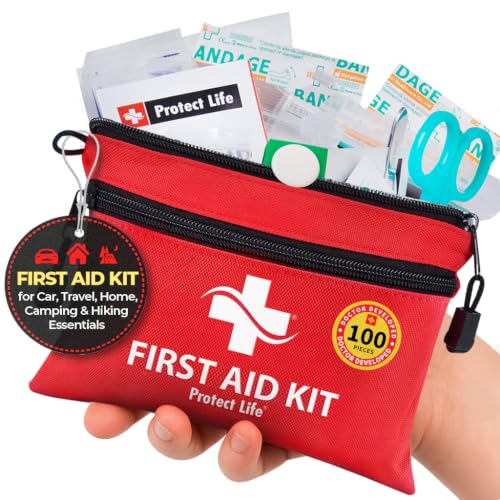
Having a well-stocked first aid kit is essential for addressing minor injuries and emergencies. A comprehensive first aid kit checklist ensures that you have all necessary supplies readily available, which can make a significant difference in critical situations.
When assembling your first aid kit, consider the specific environments where it will be used, such as homes, workplaces, or outdoor activities. Tailoring your kit to fit these settings will help you prepare effectively for potential emergencies.
Disclosure: As an Amazon Associate I earn from qualifying purchases.
Prefer to browse a couple of relevant options before you decide? Check current options on Amazon.
Why This Matters
A well-prepared first aid kit can save lives and provide immediate care in emergencies. Having the right supplies on hand means that minor injuries can be treated promptly, reducing the risk of complications. Furthermore, being equipped to handle common injuries fosters confidence in emergency situations, whether at home, work, or during outdoor adventures.
In workplaces, especially those with higher risks such as construction sites or warehouses, maintaining an organized first aid kit is vital for compliance with safety regulations. Regularly checking supplies ensures that nothing is expired or missing, which can be crucial for workplace safety.
Key Benefits
What to Expect
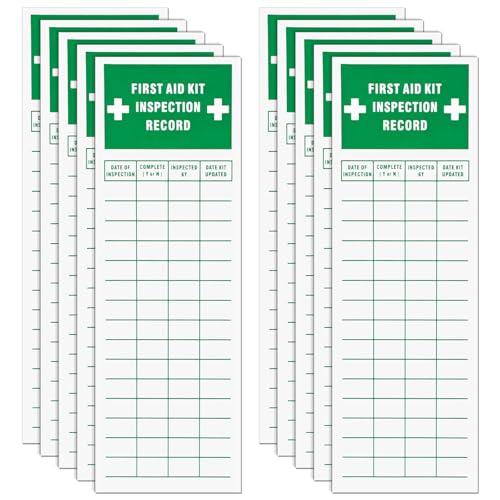
- Package Contents: includes 10 first aid inspection labels, meeting the d…
- Appropriate Size: each first aid inspection sticker measures 2 inches wi…
- Quality Material: made of durable vinyl material, the first aid kit insp…
A comprehensive first aid kit offers numerous advantages, including quick access to necessary supplies, peace of mind during activities, and compliance with safety regulations. Quick access to first aid supplies can minimize the impact of injuries, allowing for prompt treatment.
Additionally, having a well-stocked kit can reduce anxiety, knowing that you are prepared for emergencies. This preparedness can also promote a culture of safety in workplaces and public spaces, encouraging responsible behavior and awareness.
Common Drawbacks & Limitations
Despite their benefits, first aid kits can have limitations. One common issue is that they may not be tailored to specific needs, leading to missing supplies for particular environments or activities. For example, a first aid kit designed for a home may not include equipment necessary for sports injuries.
Furthermore, the quality of supplies can vary significantly between kits. Cheaper kits may contain subpar materials that can be ineffective during emergencies. Regular inspections and updates are essential to ensure that all items are functional and appropriately stocked.
What to Look For (Buyer’s Checklist)
- Comprehensive Supply List: Ensure that your kit includes a wide variety of items, such as bandages, antiseptics, and ointments. A diverse supply list allows you to address various injuries and emergencies effectively.
- Durability of Materials: Check that the items in your kit are made from high-quality, durable materials. Durable materials ensure that supplies remain effective in emergencies and can withstand storage conditions.
- Size and Portability: Consider the kit's size and weight, especially if you plan to take it on outdoor activities. A portable kit makes it easier to carry while ensuring that you have access to essential supplies.
- Clear Organization: Look for kits that have organized compartments or labels. Clear organization helps you locate necessary items quickly, which is crucial during emergencies.
- Inspection Log or Checklist: A first aid supplies inspection record book can be beneficial for tracking the status of your supplies. This ensures you regularly check for expired or missing items, maintaining readiness.
How to Choose for Your Situation

When selecting a first aid kit, consider the environment in which it will be used. For home use, a comprehensive kit with a wide range of supplies is ideal. In contrast, for workplaces or outdoor activities, you may want a kit tailored to specific risks.
For businesses, compliance tracking is essential, so look for kits that include inspection logs or checklists. This helps ensure that your first aid kit meets safety regulations and is always stocked with necessary items.
Care, Safety, and Longevity Tips
To maintain your first aid kit, regularly inspect the contents and replace expired items. Store your kit in a cool, dry place to prolong the life of the materials. Additionally, consider labeling the kit with a reminder to check supplies periodically, ensuring that you are always prepared.
Using a first aid supplies inspection record book can streamline this process, helping you keep track of what needs to be replenished. This proactive approach can ensure that your kit is always ready for emergencies.
Recommended Picks
For those looking to enhance their first aid readiness, the First Aid Kit Checklist: First Aid Supplies Inspection Record Book is an excellent choice. It offers a structured way to monitor supplies and ensure everything is in order.
Another useful product is the YooNotee 10 Pcs First Aid Kit Inspection Labels, which can help maintain visibility and organization of first aid supplies in various settings. These labels are designed for durability and ease of use, making them ideal for workplaces.
FAQ
What should I include in a basic first aid kit? A basic first aid kit should include adhesive bandages, antiseptic wipes, gauze pads, adhesive tape, scissors, tweezers, and a CPR face shield.
How often should I check my first aid kit? It is recommended to check your first aid kit at least once every six months, or more frequently if it is used regularly.
Can I customize my first aid kit? Yes, customizing your first aid kit based on specific needs, such as allergies or common injuries in your environment, is highly encouraged.
Are first aid kits required in workplaces? Many workplaces are required to have a first aid kit, particularly in industries with higher risks. Always check local regulations to ensure compliance.
What is the best way to store a first aid kit? Store your first aid kit in a cool, dry place, away from direct sunlight. Ensure it is easily accessible in case of an emergency.
What Most Buyers Overlook
- The right choice depends on your daily constraints, not just the most advanced option.
- Ease of setup, maintenance, and fit often matter more than one extra feature.
Conclusion
A comprehensive first aid kit is a crucial component of safety for any home, workplace, or outdoor activity. By understanding the importance of having the right supplies and maintaining them properly, you can ensure that you are prepared for emergencies. Regularly updating your kit and choosing the right products tailored to your specific needs will enhance your readiness and confidence in handling injuries effectively.
A Couple of Relevant Options